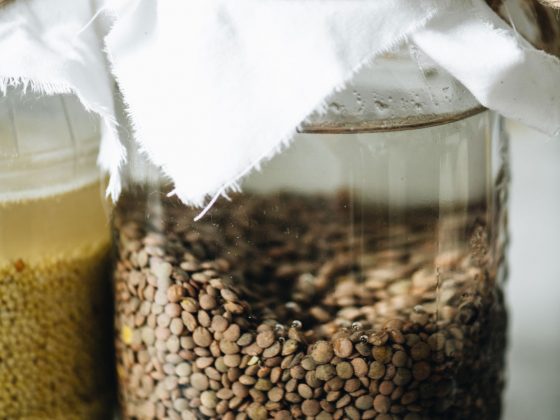
Trying to eat for bloating or IBS-style symptoms can make every meal feel like a small research project. Garlic might be a problem. Onion might be a problem. Wheat, milk, apples, beans, and sweeteners might be a problem. But you still need breakfast tomorrow, lunch at work, dinner that does not feel depressing, and a grocery list you can actually shop from.
This low FODMAP meal plan gives you a practical 7-day starting point: simple meals, low FODMAP-friendly swaps, grocery ideas, symptom tracking tips, and a clear reminder that the goal is not to restrict forever.
Before you start: a low FODMAP diet is usually a short-term elimination and reintroduction process, not a permanent diet. It is best done with a doctor or registered dietitian, especially if you have ongoing digestive symptoms or have not been diagnosed with IBS. If you have blood in stool, unexplained weight loss, fever, anemia, severe pain, vomiting, or symptoms that wake you at night, get medical advice promptly.

Start with one calmer week of meals
A clear plan makes low-FODMAP eating easier to test, shop, cook, and adjust without guessing at every meal.
Quick Answer: What Is A Low FODMAP Meal Plan?
A low FODMAP meal plan is a short-term eating structure that limits certain fermentable carbohydrates that may trigger bloating, gas, pain, diarrhea, or constipation in some people with IBS.
The point is not to remove every possible trigger forever. The point is to calm the routine, notice whether symptoms improve, then reintroduce foods carefully so you can learn your personal tolerance.
A useful low FODMAP meal plan should include:
- Simple breakfasts, lunches, dinners, and snacks.
- Low FODMAP-friendly proteins, grains, vegetables, fruits, fats, and flavorings.
- Swaps for common triggers such as garlic, onion, wheat, regular milk, apples, pears, honey, and sugar alcohols.
- A grocery list.
- A food and symptom log.
- A reintroduction plan so the diet does not stay more restricted than necessary.

Use the process, not a panic list
Elimination, reintroduction, and personalization work better when foods, meals, and symptoms are kept in one routine.
How The Low FODMAP Diet Works
FODMAPs are fermentable carbohydrates that are not fully absorbed in the small intestine. In people with sensitive guts, especially people with IBS, they can contribute to gas, water movement into the bowel, bloating, pain, and changes in bowel habits.
The low FODMAP process usually has three stages:
- Elimination: temporarily reduce high FODMAP foods.
- Reintroduction: test FODMAP groups one at a time.
- Personalization: build a longer-term way of eating around the foods and portions you tolerate.
That third stage matters. Low FODMAP should not become “eat as few foods as possible.” The goal is a calmer, more confident way of eating with as much variety as your body allows.
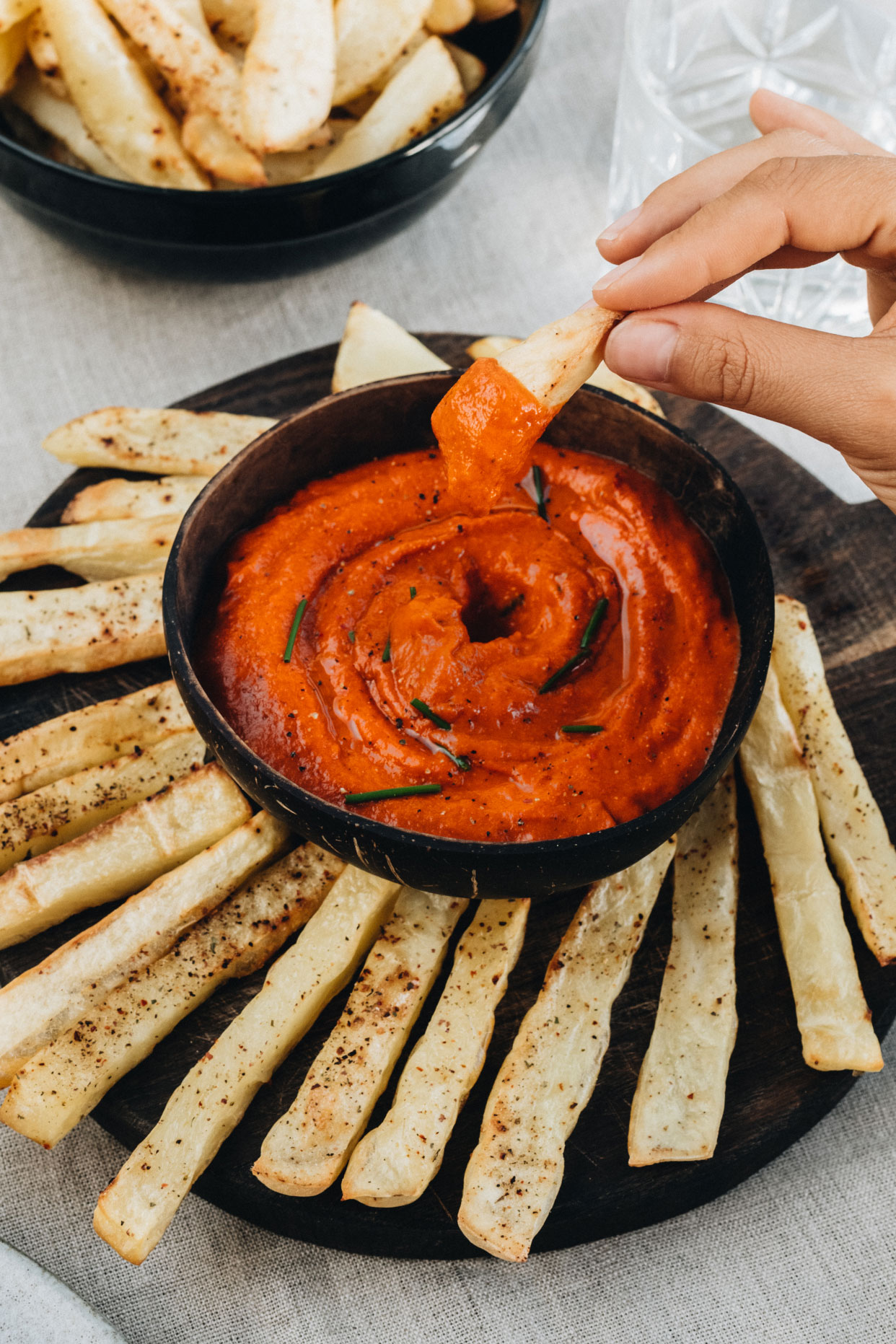
Ingredients matter more than labels
Two similar meals can feel very different when garlic, onion, wheat, milk, fruit, or sweeteners change.
Foods Commonly Limited On A Low FODMAP Plan
FODMAP levels depend on food type and portion size, so use this as a general guide rather than a final verdict.
Common high FODMAP foods include:
- Garlic and onion.
- Wheat and rye products.
- Apples, pears, mango, watermelon, cherries, and dried fruit.
- Regular milk, regular yogurt, custard, ice cream, and soft cheeses.
- Beans, lentils, chickpeas, and some legumes.
- Cauliflower, mushrooms, asparagus, artichokes, and sugar snap peas.
- Honey and high-fructose corn syrup.
- Sugar-free gum or candy with sweeteners ending in “-ol”, such as sorbitol, mannitol, xylitol, and maltitol.
Foodmap check
Is apple low FODMAP?
Apple is a common high-FODMAP fruit. Open Greeny Foodmap before using it in breakfasts, snacks, or meal-plan swaps.
Common low FODMAP-friendly options include:
- Eggs, plain poultry, fish, seafood, meat, firm tofu, and tempeh.
- Rice, quinoa, oats, potatoes, corn pasta, rice noodles, and suitable gluten-free bread.
- Carrots, cucumber, lettuce, bell pepper, zucchini, eggplant, bok choy, green beans, spinach, and tomato.
- Kiwi, orange, mandarin, pineapple, cantaloupe, and firm banana in suitable portions.
- Lactose-free milk, almond milk, hard cheeses, brie, camembert, and feta.
- Olive oil, garlic-infused oil, herbs, chives, scallion greens, ginger, lemon, and spices.
Foodmap check
Check milk before choosing a dairy swap
Regular milk is often a problem in low-FODMAP planning. Use Foodmap to compare it with lactose-free options.
Make your gut-friendly week easier to follow
Use Greeny to check foods, plan meals, log symptoms, and turn the week into a shopping list without rebuilding the routine from scratch every day.
7-Day Low FODMAP Meal Plan
This plan is intentionally simple. It repeats ingredients so the week is easier to shop, cook, and adjust.
Use it as a starting point, not a diagnosis. If a food bothers you, log it and adjust. If you are unsure about a food or portion, check a reliable FODMAP source or work with a dietitian.
Day 1
Breakfast: Oats cooked with lactose-free milk, topped with kiwi and pumpkin seeds.
Lunch: Rice bowl with grilled chicken, cucumber, carrots, lettuce, olive oil, lemon, and herbs.
Dinner: Baked salmon with roasted potatoes, zucchini, and garlic-infused olive oil.
Snack: Rice cakes with peanut butter.
Day 2
Breakfast: Scrambled eggs with spinach, tomato, and gluten-free toast.
Lunch: Quinoa salad with firm tofu, bell pepper, cucumber, chives, lemon, and olive oil.
Dinner: Turkey or tofu lettuce cups with rice noodles, carrots, ginger, and scallion greens.
Snack: Orange and a small handful of walnuts.
Day 3
Breakfast: Lactose-free yogurt with oats, strawberries in a suitable portion, and chia seeds.
Lunch: Potato and egg salad with green beans, cucumber, dill, olive oil, and mustard.
Dinner: Chicken or tempeh stir-fry with rice, bok choy, bell pepper, zucchini, and tamari.
Snack: Hard cheese with rice crackers.
Day 4
Breakfast: Smoothie with lactose-free milk, kiwi, spinach, peanut butter, and ice.
Lunch: Salmon rice bowl with cucumber, carrot, lettuce, sesame seeds, and ginger dressing.
Dinner: Low FODMAP pasta with tomato, basil, zucchini, olive oil, and grilled chicken or tofu.
Snack: Pineapple with lactose-free yogurt.
Day 5
Breakfast: Omelet with tomato, spinach, feta, and chives.
Lunch: Turkey, chicken, or tofu quinoa bowl with roasted carrots, cucumber, and lemon herb dressing.
Dinner: Baked potato with tuna or tofu, lettuce, tomato, cucumber, and lactose-free yogurt sauce.
Snack: Firm banana with peanut butter.
Day 6
Breakfast: Overnight oats with lactose-free milk, chia seeds, orange slices, and cinnamon.
Lunch: Rice noodle salad with shrimp, chicken, or tofu, cucumber, carrots, herbs, and lime.
Dinner: Grilled fish or tempeh with rice, green beans, eggplant, and garlic-infused oil.
Snack: Popcorn or rice cakes.
Day 7
Breakfast: Eggs with potatoes, tomato, spinach, and herbs.
Lunch: Leftover low FODMAP pasta or quinoa bowl.
Dinner: Chicken, tofu, or fish tray bake with potatoes, carrots, zucchini, and lemon.
Snack: Kiwi or orange with walnuts.
Foodmap check
Check rice before building the bowl
Rice is a useful low-FODMAP base, but checking the note in Foodmap keeps meal planning consistent.
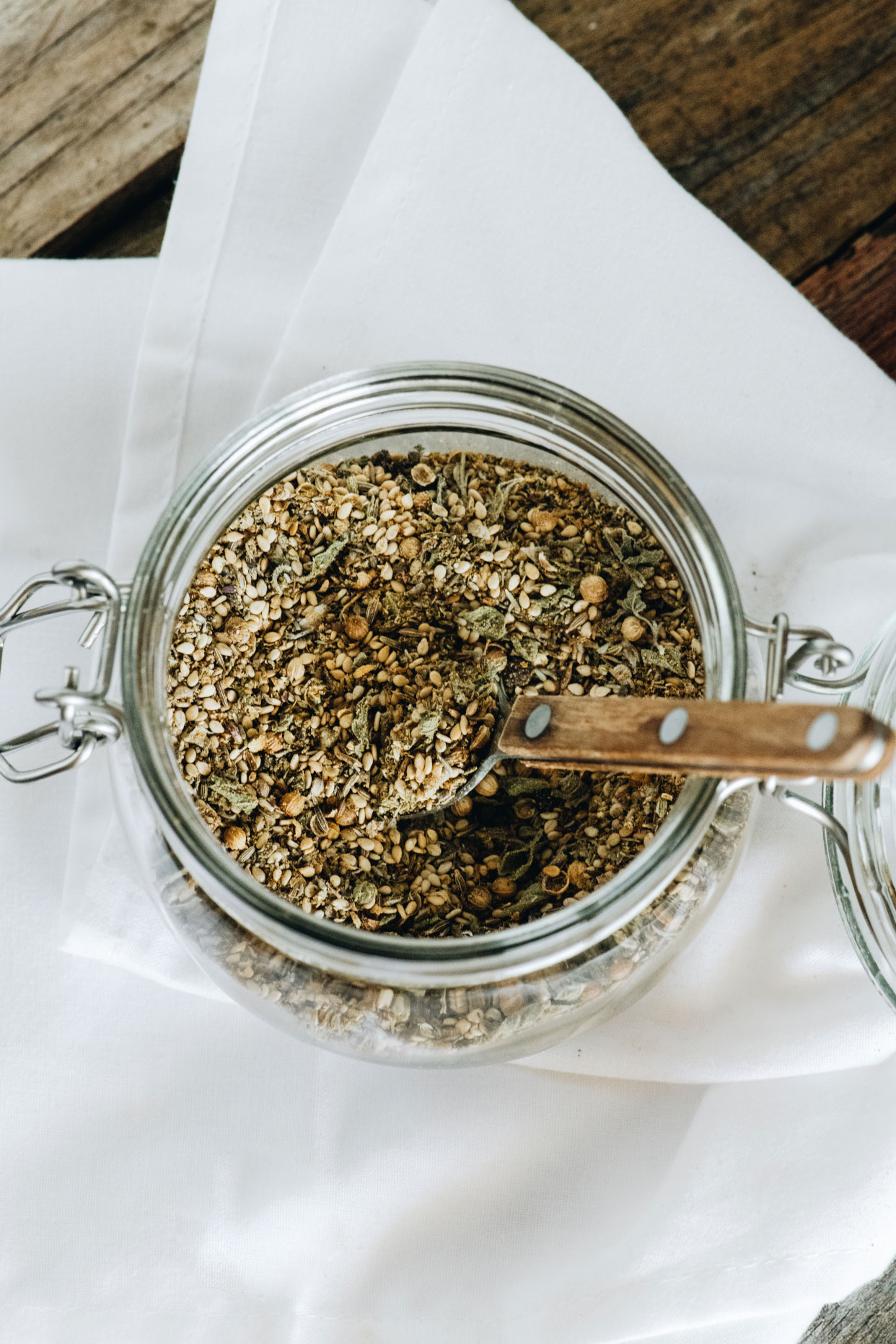
Make the grocery list do some of the work
When the meals are planned, shopping becomes less about restriction and more about choosing what fits the week.
Low FODMAP Grocery List
Use this list to shop for the 7-day plan. Choose the proteins and meals that fit your preferences.
Proteins
- Eggs
- Chicken breast or thighs
- Turkey
- Salmon or white fish
- Shrimp
- Firm tofu
- Tempeh
- Tuna
- Lactose-free yogurt
- Hard cheese, feta, brie, or camembert
Grains And Starches
- Rice
- Quinoa
- Oats
- Potatoes
- Rice noodles
- Corn or rice pasta
- Suitable gluten-free bread
- Rice cakes or rice crackers
Foodmap check
Check potatoes before you shop
Potatoes are a simple base for many gut-friendly meals. Open Foodmap before adding them to the weekly list.
Vegetables
- Carrots
- Cucumber
- Lettuce
- Spinach
- Tomato
- Zucchini
- Eggplant
- Bell pepper
- Bok choy
- Green beans
- Chives
- Scallion greens
Fruit
- Kiwi
- Oranges
- Mandarins
- Pineapple
- Firm bananas
- Strawberries in suitable portions
- Cantaloupe
Flavor And Pantry
- Olive oil
- Garlic-infused olive oil
- Lemon
- Lime
- Ginger
- Tamari or gluten-free soy sauce
- Mustard
- Maple syrup
- Cinnamon
- Pumpkin seeds
- Chia seeds
- Walnuts
- Peanut butter
- Fresh herbs

Small swaps can keep meals familiar
A low-FODMAP plan is easier to follow when you replace trigger ingredients instead of rebuilding every recipe from zero.
Common Low FODMAP Swaps
Foodmap check
Before adding onion, check the swap
Onion is one of the easiest ingredients to overlook in sauces, broths, marinades, and ready-made meals.
If your usual meals rely on high FODMAP ingredients, use these swaps:
- Instead of garlic: garlic-infused oil, chives, herbs, ginger, or asafoetida.
- Instead of onion: scallion greens, chives, or herbs.
- Instead of wheat pasta: rice pasta, corn pasta, quinoa, potatoes, or rice.
- Instead of regular milk: lactose-free milk or almond milk.
- Instead of regular yogurt: lactose-free yogurt.
- Instead of apples or pears: kiwi, orange, mandarin, pineapple, or firm banana.
- Instead of honey: maple syrup or table sugar in modest amounts.
- Instead of beans or chickpeas: firm tofu, tempeh, eggs, fish, poultry, or suitable portions of canned lentils if tolerated and dietitian-approved.
Foodmap check
Before you cook with garlic
Garlic is a common high-FODMAP ingredient. Open Greeny Foodmap for the serving note, swaps, and context before you add it.
How To Track Whether The Plan Helps
The meal plan is only half of the work. The other half is noticing your own pattern.
For each meal, track:
- What you ate.
- Approximate portion size.
- Time of day.
- Bloating, pain, gas, stool changes, nausea, or reflux.
- Stress level.
- Sleep quality.
- Exercise.
- Any new supplement or medication.
Try not to judge every symptom instantly. Gut symptoms can be delayed, and stress, sleep, hydration, fiber changes, and meal size can all affect how you feel.
This is where a digital routine helps. In Greeny, you can use Foodmap to check foods, Food Diary to log meals and symptoms, and gut comfort trends to see whether patterns are forming over time. The point is not to become obsessed with every bite. The point is to stop guessing.
Want to make this easier to use day to day? Greeny helps you check foods with Foodmap, plan gut-friendly meals, log symptoms in Food Diary, and turn recipes into a shopping list.



Reintroduction turns rules into personal insight
The goal is not to avoid everything forever. The goal is to learn what your body handles and bring variety back carefully.
What About Reintroduction?
If symptoms improve during the elimination phase, the next step is usually reintroduction. This is where many people get stuck.
Reintroduction means testing specific FODMAP groups one at a time while keeping the rest of your diet stable. This helps you learn whether your body reacts more to lactose, fructans, GOS, excess fructose, or polyols.
Do not skip this phase unless your clinician tells you otherwise. Without reintroduction, you may keep avoiding foods you could actually tolerate.
A simple reintroduction routine looks like this:
- Choose one test food.
- Eat a small portion on a planned test day.
- Track symptoms for the next day or two.
- Increase the portion only if the first test felt okay.
- Return to your stable baseline between tests.
- Record what happened.
If this feels complicated, that is normal. Low FODMAP is not easy to do from memory. A food checker, meal planner, and diary can make the process less chaotic.
Know when tracking is not enough
Food notes can help organize patterns, but new, severe, or worrying symptoms deserve medical advice.
When To Talk To A Doctor
Do not use a low FODMAP meal plan to self-diagnose IBS. Talk with a healthcare professional if digestive symptoms are new, severe, persistent, or changing.
Get medical advice promptly if you notice:
- Blood in stool.
- Unexplained weight loss.
- Fever.
- Ongoing vomiting.
- Anemia.
- Severe or worsening abdominal pain.
- Nighttime diarrhea or pain that wakes you.
- Family history of inflammatory bowel disease, celiac disease, or colorectal cancer.
Low FODMAP can be useful for many people with IBS, but similar symptoms can come from other conditions. Getting the right diagnosis matters.
How Greeny Can Help You Use This Plan In Real Life
Reading a low FODMAP plan is one thing. Living with it on a busy Tuesday is another.
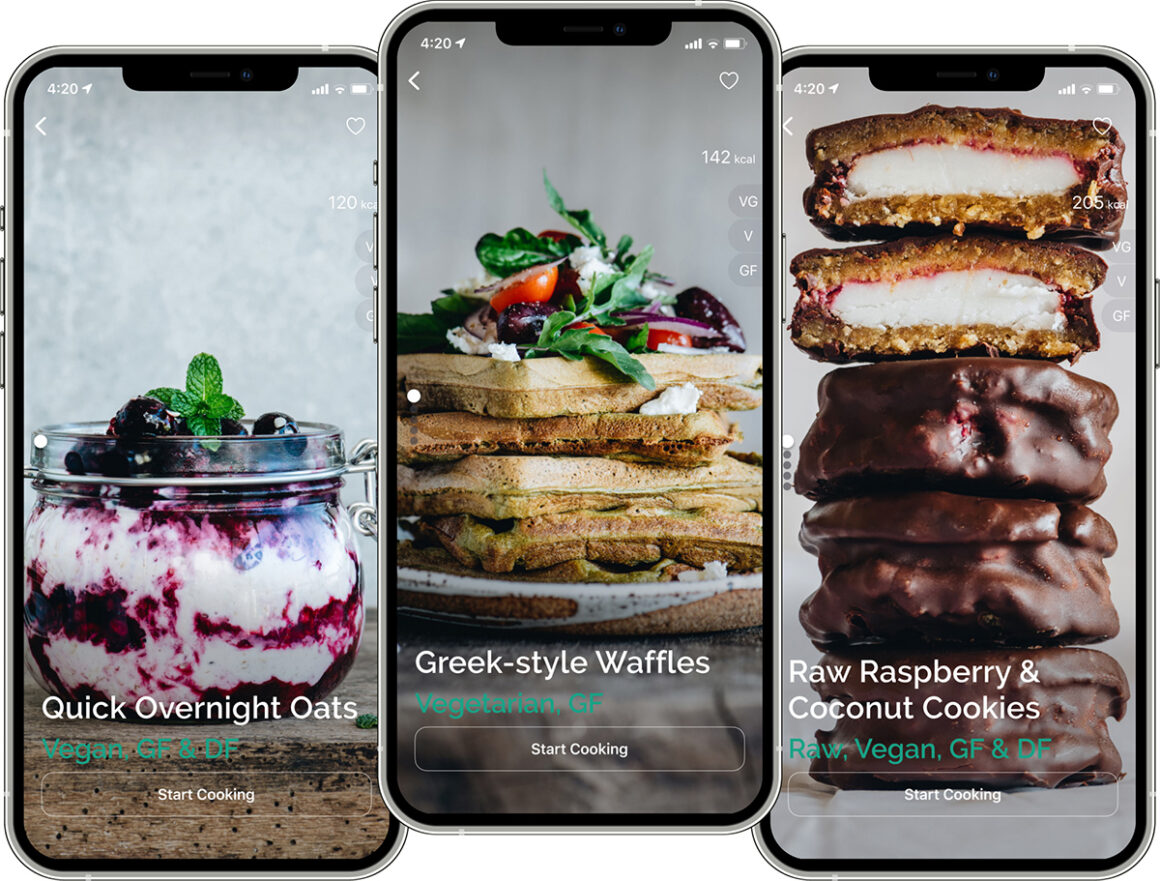
Greeny helps turn gut-friendly eating into a routine:
- Check foods in Foodmap before you cook or shop.
- Log meals and symptoms in Food Diary.
- Notice gut comfort trends over time.
- Build a meal plan around your gut-health goal.
- Swap meals when your day changes.
- Send meals or recipes into Shopping List.
- Cook chef-created healthy recipes step by step.
- Use Daily Boost, affirmations, and mindset support when stress makes the routine harder.
Greeny does not diagnose IBS or guarantee symptom relief. It helps you organize the daily work: choosing foods, planning meals, shopping, cooking, and noticing how your body responds.
Build your gut-friendly routine in Greeny: check foods, plan meals, track symptoms, and shop the week from one place.
Culinary alchemy is now available to everyone!
We’re sure—cooking healthy is fun!
FAQ
Is a low FODMAP meal plan good for bloating?
A low FODMAP meal plan may help some people with IBS-related bloating, gas, pain, diarrhea, or constipation. It does not help everyone, and bloating can have many causes, so it is best to talk with a healthcare professional before starting.
How long should I follow a low FODMAP diet?
Low FODMAP is usually used as a short-term elimination phase followed by reintroduction and personalization. It is not meant to be a permanent “avoid everything” diet.
Can I follow a low FODMAP diet without a dietitian?
You can learn the basics, but professional guidance is strongly recommended because the diet can be restrictive and confusing. A dietitian can help you avoid unnecessary restriction and build a balanced plan.
Is low FODMAP gluten-free?
Not exactly. Some wheat, rye, and barley foods are high in FODMAPs, so many low FODMAP plans reduce gluten-containing grains. But FODMAPs and gluten are not the same thing. If celiac disease is possible, talk with a doctor before removing gluten, because testing can be affected.
Is low FODMAP good for weight loss?
Low FODMAP is not designed as a weight-loss diet. Its purpose is to help identify food triggers for IBS-style symptoms. If weight loss is your goal, work with a professional so your plan supports both digestion and adequate nutrition.
What is the easiest low FODMAP breakfast?
Simple options include oats with lactose-free milk and kiwi, eggs with potatoes and spinach, or lactose-free yogurt with suitable fruit and seeds.
What should I do if symptoms do not improve?
If symptoms do not improve after a guided trial, talk with your doctor or dietitian. You may need a different nutrition approach, stress support, medication, fiber adjustment, or further evaluation.
Sources
- Monash FODMAP: https://www.monashfodmap.com/about-fodmap-and-ibs/
- NIDDK: https://www.niddk.nih.gov/health-information/digestive-diseases/irritable-bowel-syndrome/eating-diet-nutrition
- American College of Gastroenterology: https://gi.org/topics/irritable-bowel-syndrome/