Sweet potato is one of those foods that sounds simple until you are trying to eat low FODMAP. One person says it is gut-friendly. Another says sweet potato is high FODMAP. Then you see yam, Japanese sweet potato, purple sweet potato, sweet potato fries, and regular potatoes all mixed together in search results.
The short answer: sweet potato can be low FODMAP, but portion size matters. It contains mannitol, a polyol FODMAP, so a small serving may fit a low-FODMAP routine while a larger serving may not. If you are using low FODMAP for IBS-style symptoms, it is best to use reliable serving guidance and work with a doctor or registered dietitian when possible.
This guide explains whether sweet potato is high or low FODMAP, how it compares with yam and regular potato, what to watch with sweet potato fries, and how sweet potato can still fit a gut-health routine without turning dinner into a guessing game.
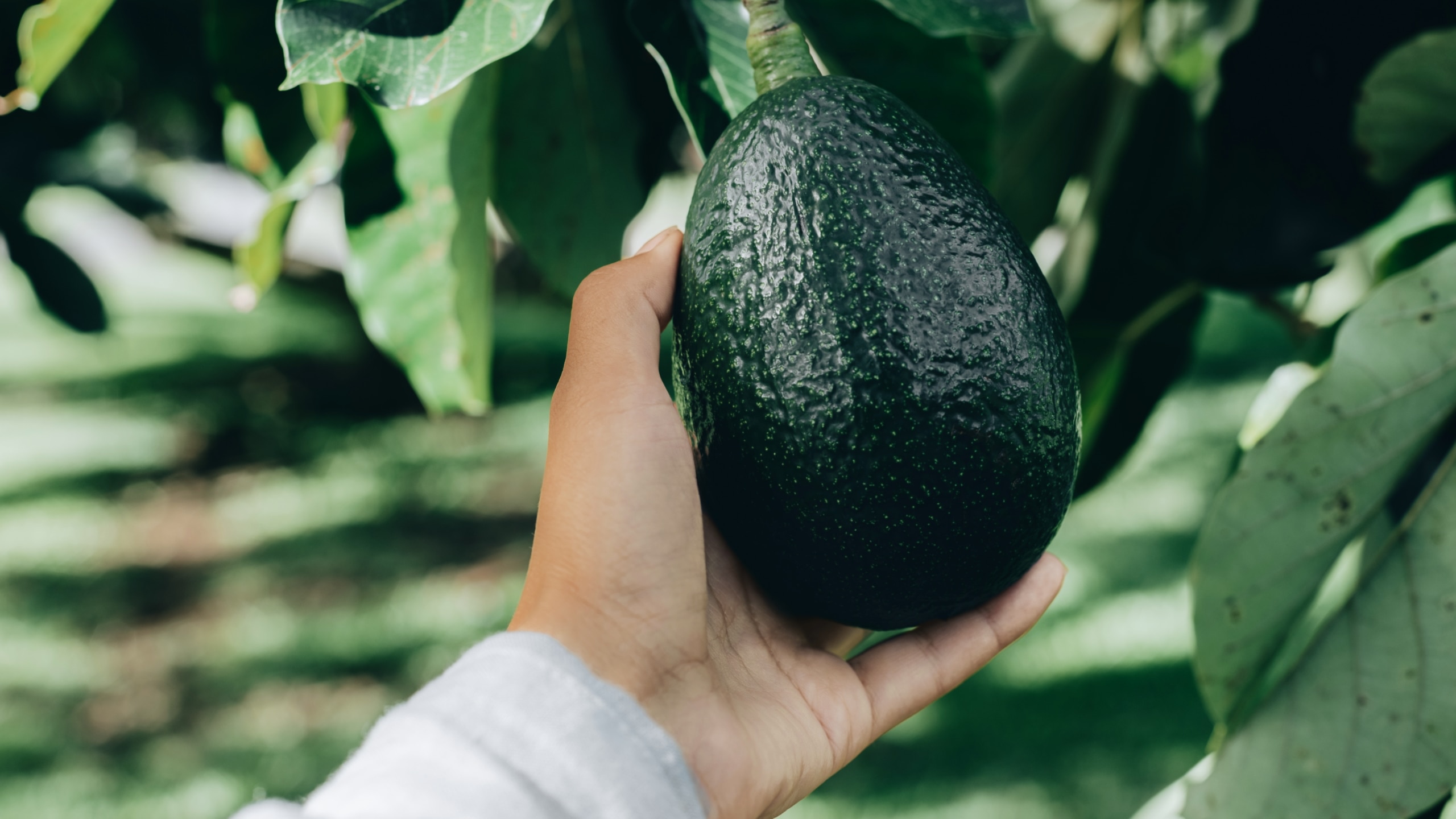
Check the portion before you cook
Sweet potato can fit a low-FODMAP routine, but the serving and the rest of the plate do the real work.
Quick Answer: Is Sweet Potato Low FODMAP?
Yes, sweet potato is low FODMAP in a smaller serving. The serving most often cited from Monash-backed guidance is 75 g, roughly 1/2 cup. The reason it becomes tricky is that sweet potato contains mannitol, so larger portions may move into a higher FODMAP range.
That means sweet potato is not simply “good” or “bad” on a FODMAP diet. It is portion-dependent. A measured side portion can be very different from a large baked sweet potato, a big tray of fries, or a mash where the sweet potato portion quietly doubles.
Greeny’s Foodmap data also lists Sweet Potato as low at 75 g. If you are in the elimination stage, use that kind of serving guidance as your starting point. If you are in reintroduction or personalization, your own tolerance may be different, which is exactly why tracking matters.
- Low FODMAP sweet potato usually means a measured portion, not unlimited sweet potato.
- Sweet potato can become high FODMAP at larger portions because of mannitol.
- Fries, mash, soups, and bowls can still work if the sweet potato amount and seasonings are controlled.
- If you have IBS, restrictive diets and reintroduction are best done with professional guidance.
Foodmap check
Is Sweet Potato low FODMAP?
Greeny can help you confirm the serving context before you add sweet potato to a meal plan or shopping list.
Why Sweet Potato Can Be Both Low And High FODMAP
FODMAPs are short-chain carbohydrates that can be poorly absorbed or rapidly fermented in the gut. In people with IBS or digestive sensitivity, some FODMAPs may contribute to bloating, gas, abdominal discomfort, diarrhea, constipation, or mixed bowel habits.
Sweet potato’s main FODMAP issue is mannitol. Mannitol is a polyol, the same broad FODMAP family that includes sorbitol. Polyols can be very portion-sensitive. For some people, a small serving is fine, while a larger amount creates symptoms. For others, mannitol may not be a major trigger at all.
This is why a low FODMAP diet should not become a permanent fear list. The usual structure is elimination, reintroduction, then personalization. During elimination, you stay conservative. During reintroduction, you test tolerance carefully. During personalization, you keep as much variety as your body allows.
If you have ongoing symptoms, unexplained weight loss, blood in stool, anemia, fever, severe pain, vomiting, or symptoms that wake you at night, do not self-manage with food rules alone. Get medical advice promptly.
Sweet Potato Vs Potato Vs Yam: What Is The Difference?
Sweet potatoes, regular potatoes, and true yams are different foods, even though names get blurred in grocery stores. In the United States especially, some products labeled “yam” are actually orange sweet potatoes. From a FODMAP point of view, the exact ingredient matters more than the label on the shelf.
Regular white and red potatoes are usually easier on a low-FODMAP plan because they are naturally low in FODMAPs in common servings. They can also help bulk out a plate when your sweet potato portion needs to stay smaller. A mix of regular potato, carrots, parsnip, or other low-FODMAP vegetables can make a side dish feel more generous.
True yam is not the same as sweet potato. The IBS Dietitian notes that both yam and sweet potato can be low FODMAP at 75 g, while a much larger yam portion may become moderate for fructans. If you are not sure whether you bought a true yam or a sweet potato sold as yam, check the ingredient in a reliable FODMAP source before assuming the portion.
| Food | Low-FODMAP takeaway | Practical use |
|---|---|---|
| Sweet potato | Low in a smaller measured portion; can become high FODMAP at larger portions because of mannitol. | Use as a measured side, fries portion, mash component, or bowl topping. |
| Regular potato | Usually a simpler low-FODMAP starch in common servings. | Use to bulk out meals when sweet potato portion is limited. |
| True yam | Can be low in a smaller portion; larger portions may need a closer look. | Check the exact food and serving before using it as a direct swap. |
Foodmap check
Can I use Potato instead?
Check the potato note in Greeny, then use it to make sweet-potato sides more filling without relying on a larger sweet-potato portion.
What About Japanese Sweet Potato And Purple Sweet Potato?
Japanese sweet potato and purple sweet potato are common search questions because they look and taste different from orange sweet potato. The safest FODMAP answer is still portion-first: do not assume that a different color means you can eat a much larger serving during elimination.
If your FODMAP app or dietitian gives a specific entry for Japanese sweet potato or purple sweet potato, follow that entry. If you only have general sweet potato guidance, use the conservative sweet potato serving as your baseline and track your response. Color can change nutrients and texture, but it does not remove the need to check portion size.
Purple sweet potatoes may contain anthocyanins, and orange sweet potatoes are known for beta-carotene. Those nutrients are a bonus, not a free pass for unlimited portions on a FODMAP elimination plan.
Sweet Potato For Gut Health: Helpful, But Still Portion-Dependent
Sweet potato can be a useful gut-health food because it brings fibre, carbohydrate for energy, and colourful plant compounds. The IBS Dietitian highlights fibre and beta-carotene as key nutritional benefits of sweet potato. Fibre supports digestive health, but people with IBS may still need to increase fibre carefully and pay attention to type, portion, and symptoms.
The NHS also recommends getting fibre from a variety of foods and notes that skin-on potatoes can help increase fibre intake. If you tolerate the skin, keeping it on regular potatoes or sweet potatoes can add more texture and fibre. If skins bother your gut during a sensitive phase, peel them and revisit later with guidance.
The important distinction is this: “good for gut health” does not always mean “symptom-safe for every gut today.” A food can be nutritious and still trigger bloating if the portion, FODMAP type, fat level, seasoning, stress, or meal timing is wrong for you.
Plan the portion before dinner starts
Use Greeny to check foods, plan the meal, log how your gut feels, and keep the routine practical instead of restrictive.
How To Make Low FODMAP Sweet Potato Fries
Sweet potato fries can be low FODMAP if the sweet potato portion stays low FODMAP and the seasoning does not add hidden triggers. The biggest mistakes are using a large sweet potato portion, adding garlic powder or onion powder, dipping in a sauce with garlic or onion, or treating restaurant fries as automatically safe.
For a low FODMAP sweet potato fries approach, cut your measured sweet potato portion into thin wedges, toss with olive oil or garlic-infused oil, then season with salt, pepper, smoked paprika, rosemary, cumin, or chilli flakes if you tolerate heat. Bake or air-fry until crisp at the edges. Serve with a protein and low-FODMAP vegetables so the sweet potato does not have to carry the whole plate.
- Use garlic-infused oil instead of garlic powder.
- Use chives, scallion greens, herbs, lemon, or spices instead of onion powder.
- Check sauces, spice blends, and ketchup-style dips for garlic, onion, honey, high-fructose ingredients, or polyol sweeteners.
- At restaurants, ask about flour coatings, shared seasonings, and sauces if you are in a strict elimination phase.
Foodmap check
Cooking with Garlic-Infused Oil?
Check the Foodmap note, then use it as a flavour shortcut when fresh garlic is not a good fit for your plan.
Low FODMAP Sweet Potato Recipe Ideas
You do not need a complicated recipe to use sweet potato on a low FODMAP diet. The easiest approach is to keep sweet potato as one measured part of the plate, then build the rest of the meal from foods that are easier to scale: regular potato, rice, quinoa, eggs, fish, chicken, firm tofu, carrots, cucumber, green beans, spinach, lettuce, herbs, and lactose-free dairy where tolerated.
- Sweet potato fries with grilled chicken, cucumber salad, and garlic-infused oil.
- Mashed sweet potato blended with regular potato or carrot to make the portion feel bigger.
- Breakfast hash with measured sweet potato, eggs, spinach, tomato, and chives.
- Rice bowl with salmon, cucumber, carrot, a small sweet potato portion, and ginger dressing.
- Sweet potato and firm tofu tray bake with zucchini, bell pepper, herbs, and lemon.
- Low FODMAP soup base using a small sweet potato portion, carrots, ginger, lactose-free milk, and low-FODMAP stock.
- Stuffed sweet potato style bowl, but with the sweet potato measured and served alongside rice or regular potato instead of using one very large sweet potato.
If you want a broader week of meals, use this guide together with Greeny’s low FODMAP meal plan. The meal-plan structure helps you avoid building every plate from scratch.
Turn the idea into a repeatable meal
Save the foods that work, plan the next plate, and turn a low-FODMAP recipe idea into a shopping list.
Want to make this easier to use day to day? Greeny helps you check foods with Foodmap, plan gut-friendly meals, log symptoms in Food Diary, and turn recipes into a shopping list.


How To Track Your Sweet Potato Tolerance
If you are eating low FODMAP for IBS-style symptoms, the goal is not to memorize a list forever. The goal is to find your personal pattern. Sweet potato is a good example because it is often tolerated in one amount and not tolerated in another.
When you test sweet potato, keep the rest of the meal familiar. Log the amount, cooking method, seasonings, stress, sleep, menstrual cycle if relevant, symptoms, bowel changes, and timing. If symptoms appear, do not assume sweet potato alone caused them. Look at the whole context: portion, fat, seasoning, sauces, other FODMAPs, and the day around the meal.
- Start with the low-FODMAP serving your source or dietitian recommends.
- Keep onion, garlic, wheat coatings, high-FODMAP sauces, and other new variables out of the test meal.
- Write down symptoms and timing for the next day or two.
- Only increase or retest during reintroduction or personalization, ideally with professional guidance.
- Use what you learn to build a less restrictive long-term routine.
This tracking step is where a Food Diary becomes genuinely useful. You are not trying to become anxious about every bite. You are trying to stop relying on memory when your gut has a pattern worth noticing.
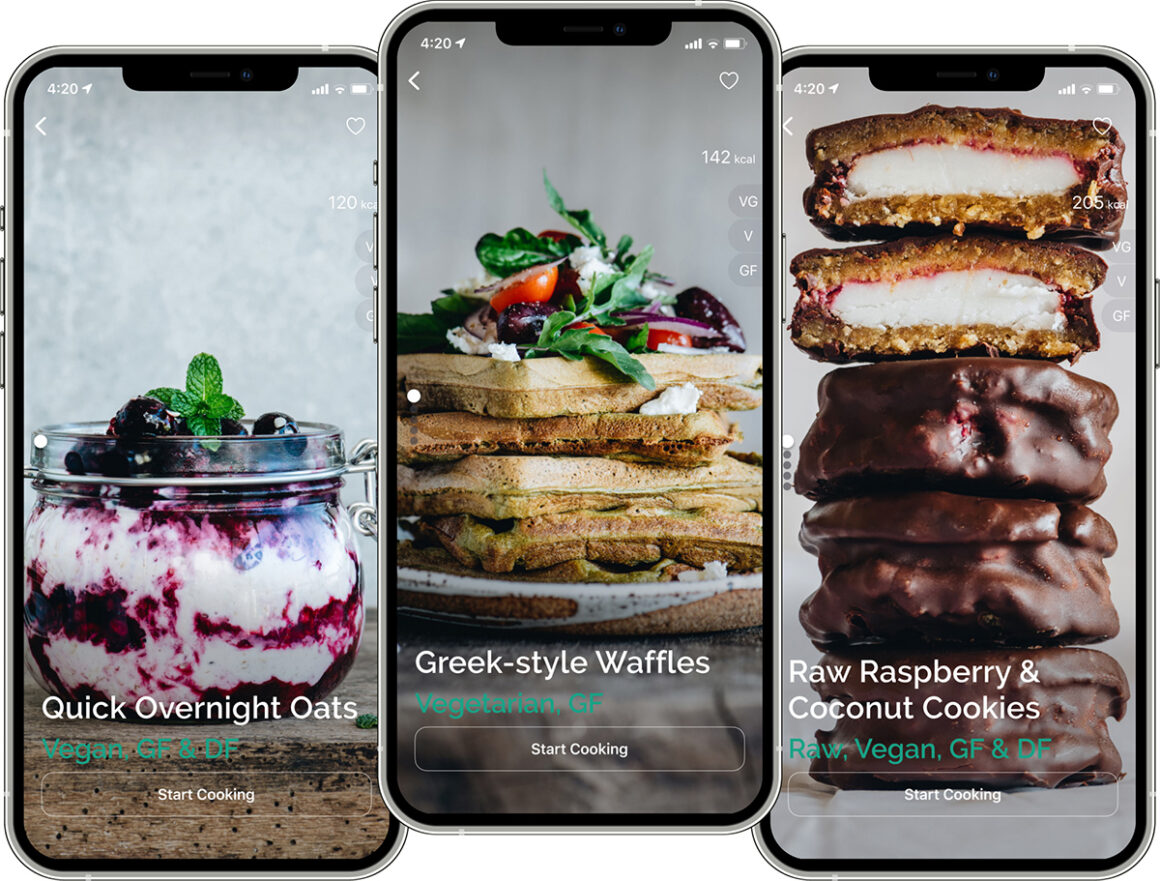
How Greeny Can Help You Use This In Real Life
Reading that sweet potato is portion-dependent is useful. Remembering that at the grocery store, during dinner, and after a bloated evening is harder.
Greeny helps turn low-FODMAP food choices into a practical routine:
- Check sweet potato, potatoes, garlic-infused oil, onion, garlic, dairy, sauces, and other ingredients in Foodmap.
- Plan meals around foods and portions that fit your current phase.
- Log meals, symptoms, stress, and gut comfort in Food Diary.
- Turn recipes and meals into a Shopping List.
- Use chef-created recipes when you want gut-friendly cooking to feel less repetitive.
- Keep a routine with Daily Boost, Mind Hub, and small habit support when stress makes eating harder.
Greeny does not diagnose IBS, treat a condition, or guarantee symptom relief. It helps you organize the everyday work: checking foods, planning meals, shopping, cooking, and noticing how your body responds.
FAQ
Is sweet potato high or low FODMAP?
Sweet potato is low FODMAP in a smaller portion, commonly listed as 75 g or about 1/2 cup. Larger portions can become higher FODMAP because sweet potato contains mannitol.
Can I eat sweet potato fries on a low FODMAP diet?
Yes, if the sweet potato portion stays low FODMAP and the seasoning is suitable. Avoid garlic powder, onion powder, high-FODMAP sauces, and unknown restaurant coatings during a strict elimination phase.
Are yams low FODMAP?
True yams can be low FODMAP in a smaller portion, but larger portions may need a closer look. In some grocery stores, “yam” may mean orange sweet potato, so check the exact food and serving.
Is Japanese sweet potato low FODMAP?
Treat Japanese sweet potato as portion-dependent unless your FODMAP source gives a specific entry. During elimination, use conservative sweet potato guidance and track your response.
Is purple sweet potato low FODMAP?
Purple sweet potato may offer different plant compounds, but the FODMAP answer is still portion-based. Do not assume a larger serving is low FODMAP just because the variety is purple.
Are regular potatoes good for gut health?
Regular potatoes can be a useful low-FODMAP starch, and skin-on potatoes can add fibre if you tolerate the skin. For gut health, variety matters: pair potatoes with tolerated vegetables, protein, fats, and a routine that fits your symptoms.
Should I avoid sweet potato completely during low FODMAP elimination?
Not necessarily. Many people can include a measured low-FODMAP portion. If you are unsure, use a reliable FODMAP source, keep the meal simple, and work with a registered dietitian if your symptoms are ongoing or complex.