Bread is not automatically off the table
The best low FODMAP bread depends on flour, fermentation, label details, portion, and your own IBS pattern.
Low FODMAP bread is one of the most confusing IBS searches because bread labels use words that do not mean the same thing: wheat-free, gluten-free, sourdough, spelt, rye, high-fiber, keto, seeded, white, wholegrain, and artisan. Some of those can help. Some can backfire.
The short answer: many people on a low FODMAP diet do better with checked wheat-free, rye-free, barley-free, certified low FODMAP, suitable gluten-free, or sourdough spelt bread options. Standard wheat bread, rye bread, barley bread, large wheat-based bagels, some English muffins, pita breads, and high-fiber breads with inulin or chicory root often need caution.
This guide explains the best bread for a low FODMAP diet, what to buy, what to avoid, how gluten-free bread fits, whether white bread is low FODMAP, how to think about bagels, pita and English muffins, and how to test bread without blaming the wrong meal. It is not medical advice, and it does not diagnose or treat IBS, SIBO, celiac disease, wheat allergy, or any digestive condition.
Quick Answer: What Bread Can You Eat On A Low FODMAP Diet?
The best low FODMAP bread is usually a bread where the grain, fermentation, and added ingredients are easy to verify. Good starting points include wheat-free bread, rye-free bread, barley-free bread, sourdough spelt bread, some gluten-free breads, rice cakes, corn-based wraps or crispbreads, oat-based options if tolerated, and breads specifically tested or labeled as low FODMAP.
Bread is not automatically bad for IBS, but wheat, rye, and barley breads can be rich in fructans. Fructans are FODMAP carbohydrates, while gluten is a protein. That distinction matters: a gluten-free bread is not automatically low FODMAP, and a low FODMAP bread is not automatically gluten-free.
- If you have celiac disease, choose certified gluten-free bread and follow medical guidance.
- If you are doing low FODMAP for IBS, focus on fructans, label ingredients, portion, and reintroduction.
- If you are sensitive to high-fiber breads, check for inulin, chicory root, FOS, apple fiber, and large seed portions.
- If you want sourdough, start with the sourdough/spelt guide rather than assuming all sourdough is low FODMAP.
- If you have SIBO, use bread choices inside your clinician or dietitian plan; bread swaps are not SIBO treatment.
Best Bread For IBS: A Practical Comparison
Use this table as a decision guide, not a permanent rulebook. The low FODMAP diet is usually a short-term elimination, reintroduction, and personalization process. Your final bread choice should be based on your own tolerance, not only the bread category.
| Bread type | Low FODMAP direction | What to check |
|---|---|---|
| Wheat-free bread | Often a better first choice than standard wheat bread. | Check for rye, barley, inulin, chicory root, honey, apple fiber, and large portions. |
| Gluten-free bread | Can be low FODMAP, but not automatically. | Check flours, fibers, sweeteners, gums, seed load, and whether it is also wheat-free/rye-free/barley-free. |
| Sourdough spelt bread | A strong candidate when properly checked. | Spelt type, fermentation style, serving, and whether it is truly sourdough. |
| Standard white bread | Often wheat-based and not automatically low FODMAP. | Wheat flour, enriched wheat flour, portion, and added fibers. |
| Rye bread | Usually needs caution for IBS/FODMAP searches. | Rye flour, wheat flour, sourdough claims, serving, and symptoms. |
| Bagels | Often large and wheat-based, so hard to fit during elimination. | Size, wheat, rye, onion/garlic toppings, inulin, and total serving. |
| English muffins | Depends heavily on flour and size. | Wheat flour, sourdough claim, gluten-free blend, and added fibers. |
| Pita bread | Often wheat-based, so check carefully. | Wheat flour, size, fillings, garlic sauces, and stacking with other FODMAPs. |
| Rice cakes or corn thins | Useful bread alternative for simple meals. | Added flavors, onion/garlic powder, and whether the meal is filling enough. |
Wheat-free bread is a useful Foodmap starting point because it targets the main problem many bread shoppers are trying to avoid: wheat-based fructans. Still read the label. Wheat-free does not always mean rye-free, barley-free, low FODMAP, gluten-free, or suitable for celiac disease.
Foodmap check
Start with Wheat-Free Bread
Open Greeny Foodmap before you use wheat-free bread as your regular sandwich or toast option.
Why Bread Can Trigger IBS Symptoms
Monash FODMAP explains that FODMAPs are short-chain carbohydrates that can be poorly absorbed and fermented in the gut. In people with IBS, this can contribute to gas, bloating, distension, abdominal pain, diarrhea, constipation, or mixed bowel changes. For bread, the key group is often fructans.
Fructans are found in wheat, rye, and barley. That is why a person can react to wheat bread and assume “gluten is the problem” when the low FODMAP issue may be fructans instead. Gluten still matters for celiac disease and wheat allergy, but those are separate medical issues and need proper diagnosis and guidance.
Bread can also be uncomfortable for reasons that are not FODMAPs: large portions, high fat toppings, too little fluid, very high fiber additions, stress, eating quickly, or stacking bread with onion, garlic, beans, milk, fruit juice, or sweeteners in the same meal.
Gluten-Free Low FODMAP Bread: Helpful, But Not Automatic
Gluten-free low FODMAP bread can be a good choice, especially for people who need strict gluten avoidance. But gluten-free bread can still contain FODMAP ingredients. Check the full label before you assume a loaf is IBS friendly.
Useful bases include rice flour, corn starch, potato starch, tapioca starch, oats if tolerated, and suitable seed or fiber blends. Ingredients that need a closer look include inulin, chicory root fiber, FOS, apple fiber, pear juice, honey, agave, high-fructose syrup, soy flour from whole soybeans, cashew, pistachio, and milk ingredients if lactose bothers you.
- Low FODMAP means the fermentable carbohydrate load is suitable for your plan.
- Gluten-free means the bread avoids gluten-containing grains for gluten-related medical needs.
- Wheat-free avoids wheat but may still contain rye, barley, gluten, or other ingredients you need to check.
- Certified low FODMAP is the most direct label, but it is not available on every product.
The label matters more than the bread name
A gluten-free loaf, sourdough loaf, or white roll still needs the ingredient check before it becomes your default.
White Bread, Bagels, Pita And English Muffins
White bread is not automatically low FODMAP. Many white breads are made from wheat flour, so they may still be a fructan issue. The same applies to many bagels, pita breads, English muffins, rolls, and wraps. The difference is often portion size: a bagel or pita can deliver more wheat flour than one slice of bread.
If you want these foods, check whether the product is wheat-free, rye-free, barley-free, gluten-free with suitable ingredients, or a properly tested low FODMAP product. Also check toppings and fillings. Garlic butter, onion bagel seasoning, hummus with garlic, cream cheese if lactose-sensitive, and large sandwich fillings can turn a bread test into a full-meal FODMAP stack.
Standard wheat bread is a useful example of why checking matters. The issue is not that every person with IBS must avoid wheat forever. The issue is that wheat-based bread may not be the easiest elimination-phase bread to test.
Foodmap check
Check Wheat Bread before using it as default
Use Greeny Foodmap before you choose standard wheat bread, white bread, bagels, pita, or English muffins for an elimination-phase meal.
Low FODMAP Bread Recipes And Homemade Bread Ideas
If you cannot find a suitable loaf, homemade bread can help because you control the flour, fiber, sweetener, and toppings. Keep the first recipe simple rather than trying to recreate a high-fiber seeded bakery loaf immediately.
- Sandwich loaf idea: use a suitable gluten-free flour blend, yeast, water, oil, salt, and a modest sweetener. Avoid inulin or chicory-based fiber until tested.
- Toast idea: use wheat-free or gluten-free bread that you tolerate, then pair with eggs, peanut butter, lactose-free cheese, or another checked topping.
- Bagel-style idea: choose a low FODMAP gluten-free dough base and keep the size smaller than a bakery bagel.
- Pita or flatbread idea: use a suitable flour blend and keep fillings simple: tolerated protein, lettuce, cucumber, tomato, and garlic-free sauce.
- English muffin idea: look for a wheat-free or gluten-free base and test it without high-FODMAP toppings first.
Because this is a guide, not a tested recipe card, it is better to treat these as building blocks. If you need medical-level certainty, use a certified low FODMAP recipe or work with a dietitian.
Bread For SIBO Searches
People searching for SIBO friendly bread are usually trying to reduce fermentable triggers. That can overlap with low FODMAP bread choices, but SIBO treatment is medical. Bread swaps do not treat SIBO. Follow your clinician’s plan, especially if you are using antibiotics, elemental diet, prokinetics, or another treatment approach.
For a cautious bread test, choose one simple bread, keep the portion predictable, keep fillings familiar, and log symptoms. Do not test a new bread on the same day you test new beans, garlic sauce, lactose, fruit juice, or a high-fiber snack.
How Greeny Helps
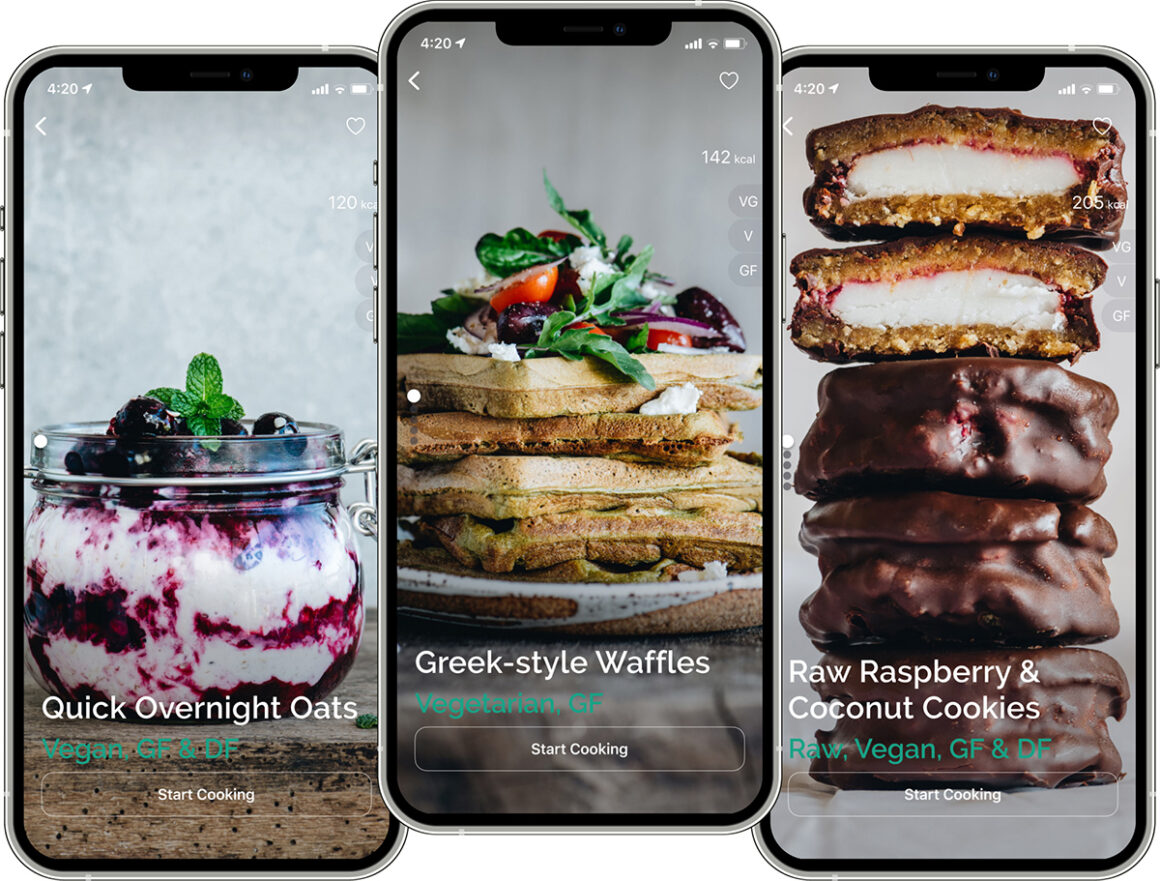
Greeny can help you make bread choices practical: check breads and ingredients in Foodmap, log symptoms in Food Diary, save bread meals that work, and turn a repeatable breakfast or lunch into a Shopping List.
Greeny does not diagnose IBS, treat SIBO, or guarantee symptom relief. It helps you organize the label checks, meal context, and symptom notes that make personalization easier.
- Check wheat-free, rye-free, barley-free, wheat bread, rye bread, and sourdough spelt bread before shopping.
- Log the exact bread, serving, toppings, and symptoms.
- Save the bread meals that feel steady.
- Build a shopping list from bread options that actually fit your body.
The goal is not to fear bread. It is to choose bread with enough context that your meals become calmer and easier to repeat.
FAQ
Can you eat bread on a low FODMAP diet?
Yes, but choose the bread carefully. Wheat-free, rye-free, barley-free, sourdough spelt, and suitable gluten-free breads are often better starting points than standard wheat or rye bread during elimination.
Is gluten-free bread low FODMAP?
Sometimes, but not always. Gluten-free bread can still contain inulin, chicory root, high-FODMAP flours, honey, apple fiber, or large seed portions. Check the full label.
Is white bread low FODMAP?
White bread is often wheat-based, so it is not automatically low FODMAP. Check whether the bread is wheat-free, rye-free, barley-free, certified low FODMAP, or made with suitable gluten-free ingredients.
Are bagels low FODMAP?
Many bagels are large and wheat-based, which can make them difficult during elimination. A smaller gluten-free or wheat-free option may be easier to test, but the label and serving still matter.
Is pita bread low FODMAP?
Many pita breads are wheat-based, so they need caution. Also check the filling, because garlic sauces, onion, hummus, and large servings can add more FODMAP load.
What is the best bread to eat for IBS?
The best bread is the one that fits your low FODMAP phase and your personal tolerance. Start with a checked bread, keep toppings familiar, and log symptoms before deciding it is safe or unsafe for you.
