Probiotic foods for gut health sound simple: eat more fermented foods, get more good bacteria, feel better. Real life is more careful than that. Some fermented foods contain live cultures. Some are heat-treated or shelf-stable and may not. Some foods are nutritious but not technically probiotics. And if you have IBS, constipation, reflux, histamine sensitivity, or a sensitive gut, adding too much too fast can backfire.
This guide gives you a practical list of fermented foods with live-culture potential, how to choose them, how prebiotics fit in, and how to use them without treating probiotic foods like a cure-all.
Choose live cultures with context
The best probiotic food is the one you can tolerate, repeat, and track without turning meals into guesswork.
Quick Answer: What Are Good Probiotic Foods?
Good probiotic foods are foods that contain live microorganisms with a researched health benefit. In everyday search language, people often use “probiotic foods” to mean fermented foods with live cultures, but those are not always the same thing. ISAPP notes that not all fermented foods contain probiotics, and NCCIH notes that different probiotic strains can have different effects.
Practical options to consider include yogurt with live and active cultures, kefir, some fermented vegetables, raw sauerkraut, fermented pickles, kimchi, tempeh, miso that is not boiled, natto, and kombucha. The label, storage, processing, and your tolerance matter as much as the food name.
- Look for “live and active cultures,” “unpasteurized,” or refrigerated live-culture wording.
- Do not assume shelf-stable sauerkraut, pickles, or kombucha still contain live cultures.
- Do not cook live-culture foods if your goal is live microbes.
- Start small if you are prone to bloating, IBS symptoms, constipation, diarrhea, or reflux.
- Pair probiotic-style foods with tolerated fibre and prebiotic foods, not restriction.
Fermented Foods Vs Probiotics: The Difference Matters
Fermented foods are made when bacteria, yeasts, or molds transform a food. This can change flavour, texture, acidity, shelf life, and nutrient profile. Probiotics are more specific: they are live microorganisms intended to provide a health benefit when consumed in adequate amounts.
So a food can be fermented without being probiotic. It might have been pasteurized. It might contain live microbes that have not been tested as a named probiotic strain. It might be useful in your diet but still not act like a targeted probiotic supplement.
For a normal kitchen routine, the goal does not need to be perfect terminology. The goal is to choose foods with live-culture potential, keep the rest of the meal balanced, and notice how your body responds.
Best Probiotic And Fermented Foods To Try
Use this list as a starting point, not a prescription. If you have a medical condition, are immune-compromised, are pregnant, have severe digestive symptoms, or are treating IBS or constipation, check with a clinician before making big changes.
| Food | What to check | Gut-friendly use |
|---|---|---|
| Yogurt | Live and active cultures, lower added sugar, dairy tolerance. | Breakfast bowl, sauce, snack, smoothie base. |
| Kefir | Live cultures, lactose tolerance, sugar, portion. | Drink, smoothie, overnight oats if tolerated. |
| Raw sauerkraut | Refrigerated, unpasteurized, live-culture wording, sodium. | Small side with meals, not a cure-all. |
| Fermented pickles | Fermented in brine, not just vinegar-pickled; refrigerated if live. | Crunchy side, sandwich topping, bowl add-on. |
| Kimchi | Garlic, onion, chilli, sodium, live-culture storage. | Small side if ingredients fit your gut. |
| Tempeh | Fermented soy; check ingredients and tolerance. | Plant protein for bowls, stir-fries, salads. |
| Kombucha | Sugar, caffeine, acidity, alcohol trace, carbonation. | Occasional drink if tolerated. |
Foodmap check
Is Greek Yogurt a fit for your plan?
Check the Foodmap note before you use yogurt as a daily probiotic-style food.
How To Choose Foods With Live Cultures
For fermented foods with live cultures, the shopping details matter. Choose refrigerated products when live cultures are the goal. Look for clear wording about live cultures. Be cautious with products that are canned, shelf-stable, heat-treated, or cooked after fermentation.
Also check the full ingredient list. A food can be fermented and still not fit your gut because of garlic, onion, lactose, wheat, sugar alcohols, chilli, carbonation, alcohol, caffeine, high sodium, or a portion that is simply too much for you.
Build the meal around tolerance
Greeny helps you check foods, plan meals, and log what actually happens after you eat.
What About IBS, Constipation And Sensitive Digestion?
Probiotic foods may help some people, but they are not a guaranteed fix for IBS, constipation, bloating, diarrhea, or abdominal pain. NCCIH notes that probiotic research is strain-specific, and for IBS it is not possible to identify one best species, strain, or combination for everyone.
If you are using probiotic foods for constipation, do not rely on kefir, yogurt, sauerkraut, or kombucha alone. Fluids, fibre type, movement, medications, pelvic floor issues, stress, and medical history can all matter. If constipation is new, severe, painful, or accompanied by bleeding, unexplained weight loss, fever, vomiting, anemia, or night symptoms, get medical advice.
A practical way to start is one small serving of one new food at a time. Keep the rest of the meal familiar. Log symptoms for the next day or two. Then decide whether that food belongs in your regular routine.
Foodmap check
Kefir may need a closer look
Open Foodmap before relying on kefir as a daily gut-health drink, especially if lactose or FODMAPs are part of your plan.
Probiotics And Prebiotics Work Better As A Routine
Prebiotics are not the same as probiotics. They are food components that help feed beneficial microbes. In normal meals, this means tolerated fibre-rich foods: oats, kiwi, firm banana, berries, potatoes, rice that has cooled and reheated, vegetables, legumes if tolerated, seeds, nuts, and whole grains that fit your gut.
The most useful routine is usually not “eat every probiotic food.” It is a small rotation of tolerated live-culture foods, enough fibre, enough fluids, meals you can repeat, and a diary that shows patterns without panic.
How Greeny Helps
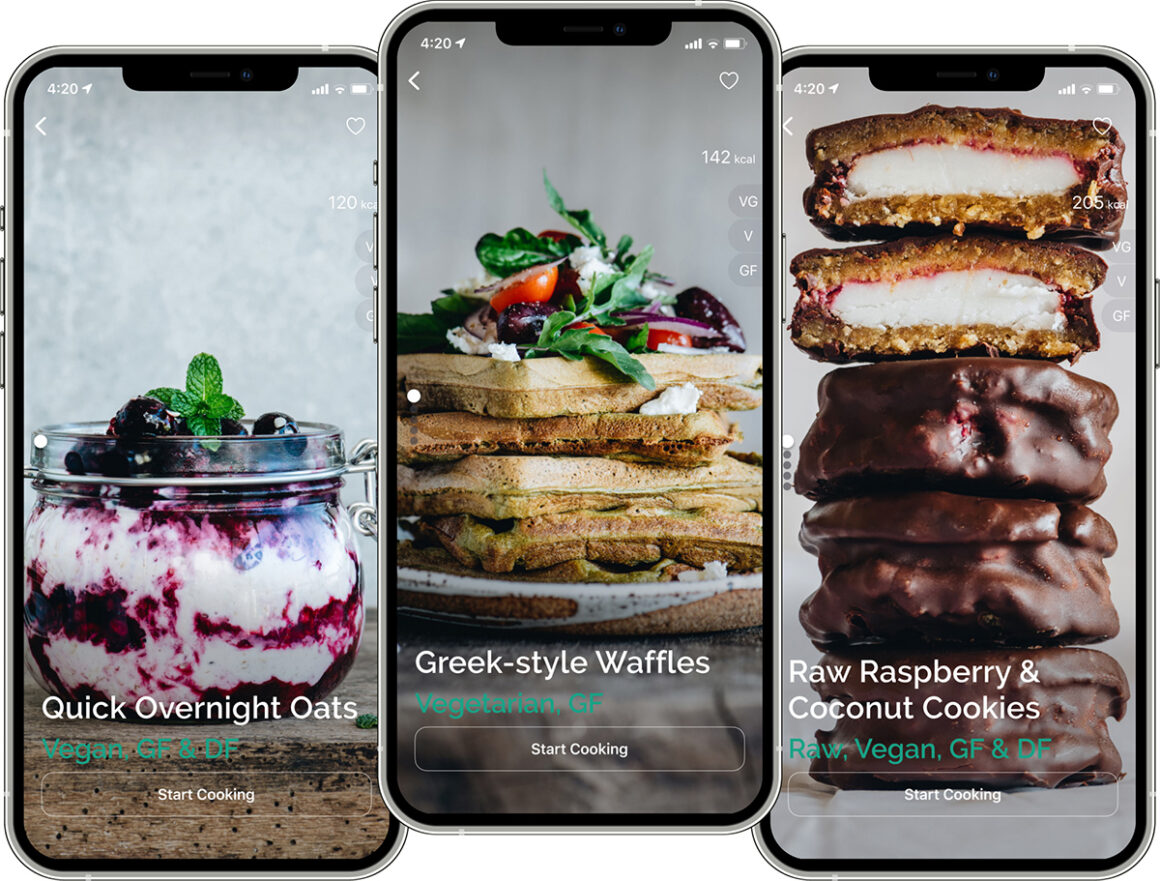
Greeny can help you turn probiotic foods into a practical routine: check ingredients in Foodmap, plan meals around what you tolerate, log symptoms in Food Diary, turn meals into Shopping List, and keep enough variety that gut-health eating does not become another strict rulebook.
Greeny does not diagnose digestive conditions or guarantee symptom relief. It helps you organize the daily work of choosing foods, cooking, shopping, and noticing how your body responds.
- Use Foodmap before a fermented food becomes a daily habit.
- Save the meals that feel steady instead of chasing a longer probiotic list.
- Use Food Diary when you test kefir, yogurt, sauerkraut, kimchi, kombucha, or a new cultured product.
- Turn repeatable breakfasts, bowls, sides, and snacks into a shopping list before the week gets busy.
That simple loop is often more useful than trying every high probiotic food at once: check the ingredient, plan the meal, eat a realistic portion, log what changed, and keep the foods that actually fit your body.
FAQ
Are all fermented foods probiotics?
No. Some fermented foods do not contain live microorganisms when eaten, and many live microbes in foods have not been tested as named probiotic strains.
What foods are highest in probiotics?
There is no universal “highest” list that works for everyone. Yogurt, kefir, raw sauerkraut, fermented pickles, kimchi, tempeh, miso, natto, and kombucha may contain live cultures, but labels and processing matter.
Can probiotic foods help IBS?
They may help some people, but IBS response is individual and strain-specific. Work with a clinician or dietitian if symptoms are ongoing, severe, or unexplained.